
Wedding Dress Preservation: When to Do It and Why It Matters
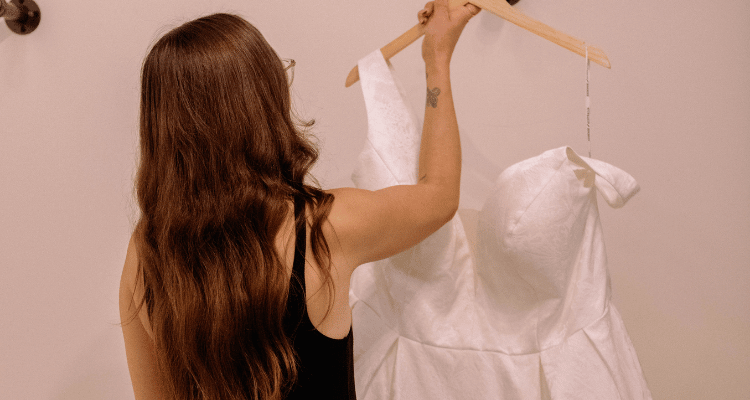
Once the celebration is over, your wedding dress often ends up hanging quietly in the closet while life starts getting busy again. Between your honeymoon, thank-you notes, and settling into married life, it's easy to put gown care on the back burner. A few weeks may not seem like a long time, but even that short delay can affect how well your dress ages.
If you've been wondering whether wedding dress preservation is worth it, understanding what happens after your wedding day will help you make the best decision for your gown.
Your Dress Starts Changing Sooner Than You Think
Your gown may look just as beautiful as it did when you walked down the aisle, but appearances can be deceiving.
Throughout the day, your dress collects more than visible dirt. Body oils, perspiration, makeup, perfume, food, and drinks can all leave behind residue that blends into the fabric without leaving an obvious mark. The train also picks up dust, grass, sand, or dirt as you move from one part of the celebration to the next.
Those invisible traces stay in the fabric even when the dress appears perfectly clean. As time passes, they react with oxygen and begin to oxidize, which can cause yellow or brown stains that are much harder to remove later.
Delicate materials such as silk, satin, lace, tulle, crepe, and organza are especially sensitive to heat, humidity, and light. Taking care of your gown sooner rather than later gives those fabrics the best chance of staying beautiful for years to come.
What Is Wedding Dress Preservation?
If you're planning to care for your gown after the wedding, it's helpful to understand the difference between cleaning and preservation.
Professional bridal cleaning removes visible stains while also lifting away residue you may never notice on your own. A bridal specialist assesses every gown individually, taking its fabric, silhouette, embellishments, and construction into account before the cleaning process begins. Whether your dress features delicate lace appliqués, hand-sewn beadwork, embroidery, or illusion details, each element deserves careful attention.
Preservation begins after specialists professionally clean the gown. They wrap it in acid-free materials before placing it inside an archival-quality storage box that helps protect it from dust, moisture, light, and environmental pollutants that can affect delicate fabrics over time.
The purpose isn't simply to store your gown. It's to help protect its color, shape, and intricate details so you can enjoy it for years to come.
Wedding Dress Preservation vs. Dry Cleaning
Although many dry cleaners work with formalwear, wedding gowns often require a more specialized approach.
Bridal dresses frequently combine delicate fabrics with structured bodices, multiple layers, lace appliqués, intricate embroidery, and hand-sewn embellishments. Each material responds differently to cleaning, which is why bridal specialists use techniques designed specifically for wedding gowns.
Most professional bridal preservation services include:
A detailed inspection of the gown
Professional stain removal
Cleaning methods selected for the fabric and embellishments
Careful handling of delicate details
Archival packaging designed for long-term storage
Because every wedding dress is unique, specialized care helps protect both its beauty and its craftsmanship.
Is It Worth Preserving Your Dress?
Whether preservation is worthwhile depends on what you hope to do with your gown, but for many brides, the answer is yes.
Your wedding dress represents months of planning, countless memories, and one of the most meaningful days of your life. Whether it was custom-made or purchased off the rack, it deserves thoughtful care after the celebration.
Professional preservation also keeps your options open. You may want to pass your gown down to a family member, wear it again for anniversary portraits, transform it into a keepsake, or sell it in the future. Professional care is more likely to keep your dress in excellent condition if your plans change later.
When you consider the investment you've already made in your gown, preserving it is often a small additional step that helps protect something truly special.
When Should You Have Your Dress Preserved?
The best time is within the first few weeks after your wedding.
Fresh stains are much easier to remove before they have time to settle into the fabric. Waiting several months allows invisible residue to oxidize, making discoloration more difficult to reverse.
If your celebration included a beach ceremony, outdoor portraits, a garden venue, or rainy weather, prompt cleaning becomes even more important because moisture and dirt can affect delicate fabrics more quickly.
Life naturally gets busy after the wedding, so don't worry if you can't take care of it immediately. Just remember that the sooner your gown receives professional attention, the better your chances of preserving its original beauty.
Can You Preserve a Dress Years Later?
Yes, although the results depend on the condition of the gown.
Professional specialists can often improve dresses people have stored for months or even years. Depending on the fabric and the type of staining, they may be able to reduce discoloration, remove older stains, and refresh the gown's overall appearance.
Some damage, however, becomes permanent over time. Yellowing, weakened fibers, and stains you leave untreated for years may not disappear completely.
If you've kept your dress in a closet for a while, it's still worth asking a professional to evaluate it. Even when specialists can't remove every stain, expert care can make a noticeable difference.
Can You Wear Your Dress Again After It's Preserved?
Many brides assume preservation means their gown will stay sealed away forever, but that's a common misconception.
You can open most preservation boxes if you decide to wear your dress again for a vow renewal, anniversary photos, or another meaningful occasion. If you remove the gown, specialists can usually clean and preserve it again afterward if needed.
Knowing this gives you the freedom to enjoy your dress again while still protecting it for the future.
How Should You Store Your Dress Until Then?
If you aren't able to arrange professional care right away, storing your gown properly can help prevent unnecessary damage in the meantime.
Keep it in a cool, dry room away from direct sunlight.
Avoid storing it in attics, garages, or damp basements.
Leave it in a breathable garment bag rather than sealing it in plastic.
Handle the fabric with clean hands whenever possible.
Limit how often you touch the gown before professionals clean it.
These simple precautions won't replace professional care, but they can help protect your dress until you're ready to have professionals clean and preserve it.
Common Myths About Wedding Dress Care
Plenty of well-meaning advice surrounds wedding dress care, but some of the most common beliefs can do more harm than good.
"It looks clean, so I don't need to do anything."
Many stains remain invisible immediately after the wedding. Sugars, oils, and proteins continue reacting with the fabric over time, which is why discoloration often appears months later.
"Any dry cleaner can clean a wedding dress."
Wedding gowns require specialized knowledge because different fabrics, linings, and embellishments respond differently to cleaning methods.
"I'll just leave it hanging in the closet."
Long-term hanging can place unnecessary stress on straps, sleeves, and heavier skirts while exposing the fabric to dust and light.
"Only expensive gowns are worth preserving."
A price tag doesn't determine the true value of your wedding dress. It's the memories attached to it that make it worth protecting.
Protect the Memories Sewn Into Your Gown
Your wedding dress represents more than beautiful fabric and thoughtful design. It reflects the excitement of finding the one, the moments leading up to your wedding, and the memories you created throughout the celebration.
How you care for your gown after the wedding plays an important role in how it looks years from now. Taking that next step while it's still in good condition gives you the best opportunity to preserve the details, craftsmanship, and sentimental value that made it so meaningful in the first place.