
Mother of the Groom Dresses: What Brides Should Know About Style and Coordination
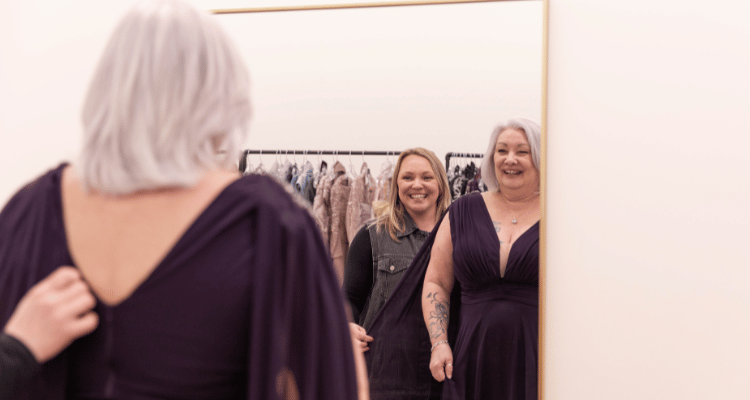
When you picture your wedding day, you are likely thinking about the gown, the florals, and the overall look of your wedding party. But there is another important detail that deserves just as much thought—the mother of the groom’s dress.
Understanding how the mother of the groom dress fits within your overall wedding vision makes the process easier and smoother. Picking a dress with your wedding vision in mind helps ensure the wedding party looks cohesive and polished.
This guide walks you through everything you need to know so you can offer thoughtful guidance and maintain a cohesive, elegant wedding look.
brbb
Why Mother of the Groom Dresses Matter More Than You Think
Mother of the groom dresses are not just about checking off a formalwear requirement. They contribute to the overall visual flow of your wedding day, especially in photos. The groom’s mother often appears in key moments such as family portraits, the ceremony procession, and reception highlights. Her look should feel intentional and connected to the rest of the wedding party. When her dress aligns with your color palette, level of formality, and overall style, it creates a sense of balance. A well-chosen dress communicates respect for the occasion while still allowing her personal style to shine through.
Understanding the Difference Between Mother of the Bride and Mother of the Groom Dresses
While both roles are equally important, traditions often place more attention on the mother of the bride’s attire first. That does not mean mother of the groom dresses should feel like an afterthought.
Typically, the mother of the bride selects her dress first, then shares details such as color family, fabric formality, or sleeve length. This gives the mother of the groom helpful guidance while still allowing her freedom of choice. The goal is coordination, not matching.
For you as the bride, understanding this flow helps avoid awkward overlaps or unintentional clashes. Encouraging open communication early keeps everyone comfortable and on the same page.
How to Choose a Color That Complements the Wedding Party
Color is often the first question that comes up when shopping for mother of the groom dresses. The key is to work within the wedding palette without copying the bridal party exactly.
Neutral shades such as navy, champagne, silver, taupe, and soft gray are popular because they complement almost any color scheme. Jewel tones like emerald, plum, or deep blue can also work beautifully for formal weddings, especially in fall or winter.
Encourage her to avoid colors that closely match the bridesmaids if you want the wedding party to stand out clearly. It is also helpful to steer away from stark white, ivory, or anything too close to your gown’s color.
A good rule of thumb is to choose a shade that harmonizes with the palette while still standing on its own. This creates visual depth in photos and keeps everyone looking intentional.
Matching the Formality of the Wedding
One of the most important considerations for mother of the groom dresses is formality. A dress that feels too casual or too formal can look out of place, even if the color works perfectly.
For a black-tie or formal wedding, long gowns with elevated fabrics such as chiffon, satin, or lace are often appropriate. For semi-formal or cocktail weddings, tea-length or knee-length dresses with structured tailoring can be a great fit. Casual or outdoor weddings may allow for softer silhouettes and lighter fabrics, but the look should still feel polished.
If you are unsure, sharing details such as venue type, ceremony start time, and dress code helps guide the choice. This ensures her dress feels aligned with the setting and tone of the day.
Silhouettes That Feel Elegant and Comfortable
Style is personal, and comfort matters. Mother of the groom dresses should feel flattering and easy to wear throughout a long day filled with standing, walking, and celebrating.
Popular silhouettes include A-line dresses, empire waists, and softly tailored sheath styles. These shapes offer structure without feeling restrictive. Many mothers also appreciate styles with sleeves or jackets, which provide coverage while adding elegance.
Encourage her to choose a silhouette that makes her feel confident rather than focusing on trends. A timeless dress often photographs beautifully and feels appropriate years later when looking back at wedding photos.
Fabric Choices That Elevate the Look
Fabric plays a major role in how mother of the groom dresses look and feel. Lighter fabrics such as chiffon and crepe offer movement and softness, making them ideal for warmer seasons or outdoor weddings. Structured fabrics like satin, mikado, or brocade provide a more formal presence and work well for evening events.
Lace is another popular option, especially when used as an overlay or sleeve detail. It adds texture without overwhelming the design. Subtle beading or embroidery can enhance the look, but it is best to avoid overly heavy embellishments that may compete with the rest of the wedding party.
Choosing a fabric that aligns with the season and venue helps ensure comfort and visual harmony.
When to Start Shopping for Mother of the Groom Dresses
Timing plays a key role in making dress shopping organized and stress-free. Ideally, mother of the groom dresses should be selected after the bridesmaid dresses and mother of the bride dress are chosen, but well before final fittings and alterations begin.
Starting the search about six to eight months before the wedding allows time for browsing, ordering, and tailoring if needed. This also reduces stress and avoids last-minute compromises.
As a bride, gently sharing timelines and expectations can be helpful, especially if the mother of the groom is unsure when to begin.
Common Style Concerns and How to Address Them Gracefully
It is normal for questions or concerns to come up during this process. Some mothers worry about looking too flashy, while others fear looking too understated. Clear communication helps ease these concerns.
If she asks for your opinion, focus on guidance rather than strict rules. You can share the color palette, level of formality, and overall vibe of the wedding. This allows her to make a choice that feels authentic while still fitting the day.
Approaching the conversation with appreciation and respect keeps the experience positive for everyone involved.
Accessories That Complete the Look
Once the dress is chosen, accessories help pull everything together. Shoes, jewelry, and handbags should complement the dress without overpowering it. Neutral or metallic shoes are often a safe choice, especially for formal weddings.
Jewelry should enhance the neckline and fabric. For example, simple earrings work well with detailed dresses, while a statement necklace can elevate a more minimal design. A wrap or jacket can also be practical for evening events or cooler venues.
Encouraging thoughtful accessorizing helps ensure the final look feels cohesive and photo-ready.
Helping the Mother of the Groom Feel Confident and Included
Beyond style details, the emotional aspect matters just as much. Mother of the groom dresses symbolize her role in the celebration, and picking the right dress helps her look polished, elegant, and prepared for key moments.
As a bride, offering reassurance and appreciation goes a long way. A simple acknowledgment that her presence and comfort matter helps create a supportive atmosphere. When everyone feels good about their role, it shows in the energy of the day.
Finding Mother of the Groom Dresses That Feel Just Right
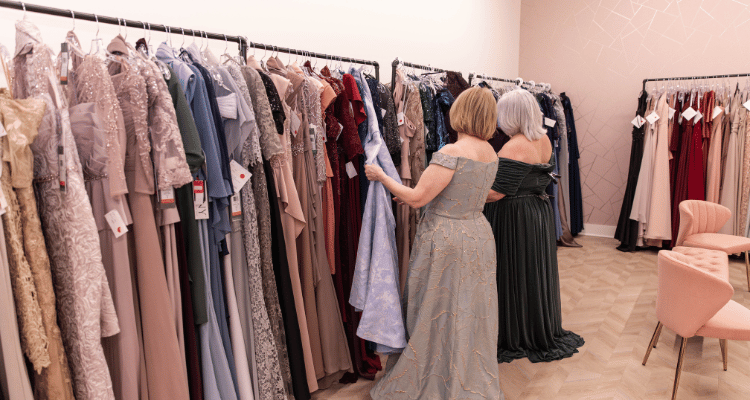
At Heart to Heart Bride, mothers are welcomed into a supportive boutique environment and have access to a thoughtfully curated selection of mother of the groom dresses. Our stylists provide guidance on color, fit, and formality to ensure the dress aligns with your wedding vision and complements the bride and groom, as well as the rest of the wedding party.
Scheduling a visit makes dress shopping simple and enjoyable, ensuring a smooth and stress-free experience along the way.